
A nostalgic reread, a quintessentially Booker book, and a brief reintroduction
Hi readers!
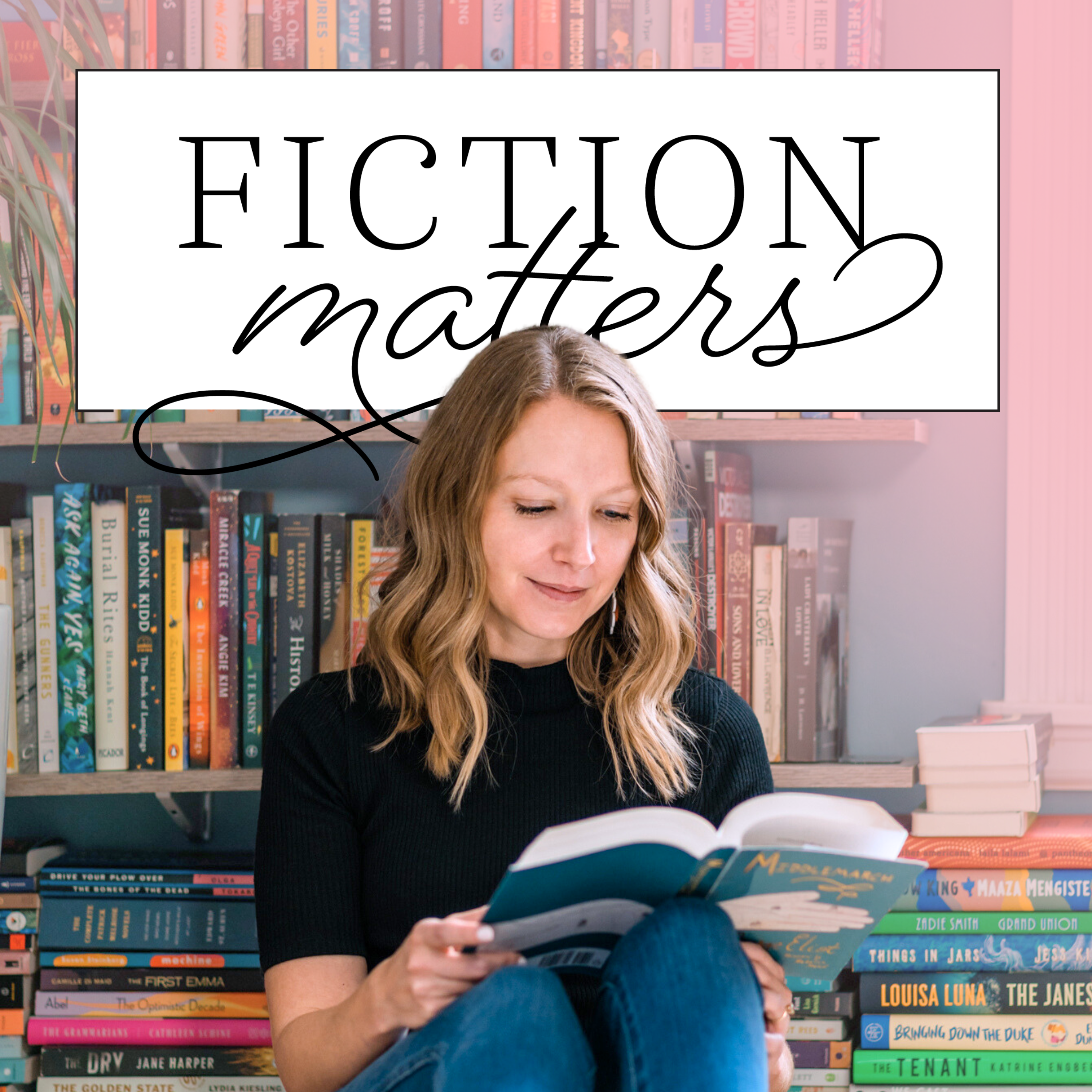
First, welcome to all the new folks who have found this newsletter through the Paperback Summer Reading Guide. I’m so glad to have you here! Since there are some new faces, I thought today would be a good opportunity for a brief reintroduction and a refresh on what you’ll find here at FictionMatters. If this is all old information to you, go head and breeze on past to your regular Sunday programming!
FictionMatters began as a graduate school project all the way back in 2014. I was studying English Lit at Georgetown and deciding whether to continue into academia or teach high school English right as a new round of Common Core Standards was released. The new standards required that something like 50% of texts read by high school students be nonfiction. Now, this was actually must more complex than it sounds, but this got me thinking about why we read fiction in high school in the first place. The high school English classroom is kind of a funny place if you think about it. We have young people read classic literature while also helping them learn to write literary analysis papers with the assumption that learning this type of writing helps with all types of writing. I’m not sure that’s entirely accurate, but I believe deep in my soul that there reading literature is essential for young people and I wanted to consider why.
I decided to plan my final grad school project around this question. I interviewed as many people as I could about why they read fiction, and specifically what they feel they learn from reading fiction. I also dove into the research about what happens in our brains while reading fiction. The Georgetown English Department was a strong proponent of sharing our graduate work outside of the university so I knew I wanted some place to share my findings. I began posting my interview snippets along with what I was reading on Instagram and Tumblr.
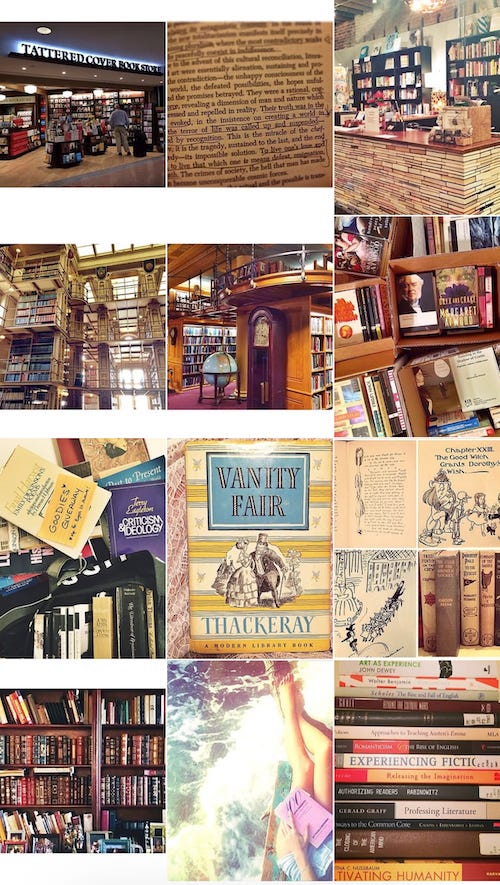
When I finished my MA and started teaching high school English, I maintained the Instagram as a chronicle of my reading life and a way to connect with other readers outside of my educational world. This grew, and at some point I started getting books sent to me by publishers and seeing myself as a book reviewer, if not a true literary critic. I started a newsletter in 2019 (first on MailChimp!) as a way to write longer reviews and reach people outside of the noise of social media.
In 2020 when Covid hit and I left the classroom, I decided to see if I could make “professional reader” my career. I wanted to take what I loved doing in the classroom and bring it to other online readers. It’s grown beyond my wildest dreams, and I truly feel like the luckiest bookworm in the world that this is my job!
On Substack, you’ll get book reviews alongside essays inspired by my educational background. My goal is not just to help you find meaningful books, but to help you engage more deeply with the books you read by becoming a more confident, .

Here’s what you’ll find on the FictionMatters Substack:
Free Substack Tier
📕Sunday newsletters with reviews of the books I’ve read recently, links to favorite (mostly literary) finds around the internet, and personal news and recommendations.
📝Wednesday Reading in Public essays were I explore buzzy bookish topics, offer tips on reading more deeply, and reflect on the literary landscape at large. This is where my English teacher past really comes out, but it’s also where I try to offer insights garnered from 12 years of sharing my reading online.
🎧Books That Matter podcast series where I interview writers I admire about the books that matter to them. I typically release one or two of these each month, but I only host these episodes when there’s an author I really want to speak with, so they can be a bit sporadic. Here’s how to listen in your podcast player.
Paid Substack Tier
📚Friday Mood Recs where I help you build a TBR based on reading moods, niche topics, and readalikes.
🎧Monthly Ranked Reading Recap podcasts in which I share and rank every book I read in the previous month.
🎧Monthly This Month in Books podcasts where I chat with Liz Hein, the most voracious reader I know, about what’s making news in the literary world and a handful of books we need to discuss.
📓Special in 2026, you’ll also get This American Lit, an independent study series designed to engage with American writers and texts who are contemplating the idea of America.

If you like what you’ve seen here, but are more in search of a community of readers, you might be interested in the FictionMatters Literary Society on Patreon. You can learn more about the differences and overlaps between each community here.
However and wherever you’re engaging, thank you so much for reading with me. Over the last few years I’ve learned that the best part of reading in public is community and I love reading alongside each of you. Thanks for being here!

This week I read…
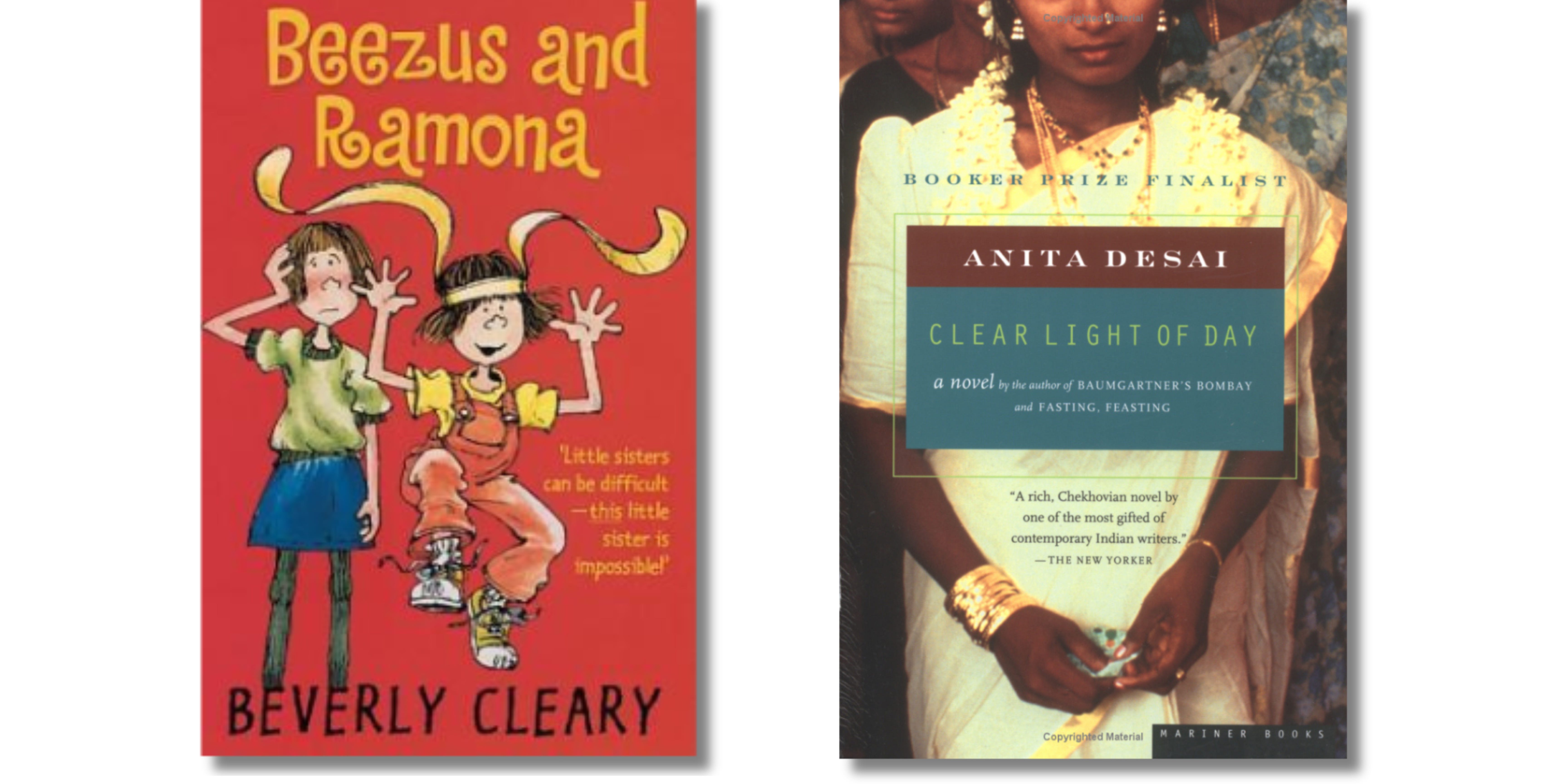
Beezus and Ramona by Beverly Cleary. I’ve been so excited to start this favorite childhood series with Louise and decided our camping trip could be a perfect opportunity. I chatted with my kidlit whisperer and she said Louise might be ready and to give it a try. I packed Beezus and Ramona knowing that the focus was more on the older sister because I wanted to start when Ramona is four—just like Lou. We started reading the book the first night of our trip and the reinforced what we read by listening to the audiobook of the same chapter in the car the next day. This worked beautifully! After doubling up on the first couple chapters, she got used to a longer chapter book without many pictures and was remembering and following along easily.
In the first book in Cleary’s beloved Ramona series, we meet Beezus—a bookish, rule-following nine-year-old—and her rambunctious, sometimes naughty, little sister Ramona. Throughout the book, Ramona torments Beezus with her four-year-oldness and Beezus frets that she’s terrible for not always liking her sister. Ramona’s antics are hilarious for adults and kids alike and this book was such a fun family read. It also provided opportunities for us to talk about why it can be hard to be four and how important it is for grown-ups to remember what it’s like to be a kid. But also, Louise could identify when Ramona had crossed a line and would be very vocal about it!
As much as we all loved Beezus and Ramona, we’re going to hold off on Ramona the Pest of awhile. We started it and because it’s more from Ramona’s perspective, Ramona’s troublemaking seems more stressful to Louise. Cleary does such a wonderful job getting into the head of a little kid who wants to be good and loved but who is often misunderstood and sometimes causes trouble. That level of realism upset Lou a little, so we’ll just reread Beezus and Ramona while we wait for her to be ready. Bookshop | Libro.fm
Clear Light of Day by Anita Desai. I don’t have a full review of this Booker shortlisted book from 1980, but I do think many readers of this newsletter would enjoy it. This is a slim family novel that follows four siblings who have grown apart and examines the way small, unreconciled moments from childhood can impact us long into adulthood. Paralleling the story of the family, Desai explores the Partition of India and we see the way macro historical and political events can shape the intimacies of individual lives. The prose is stunning, lush and evocative, and the way Desai uses rich imagery to develop symbolic depth is the kind of writing that reminds me why I like reaching for my backlist shelves. If you love quiet family stories or books that ask questions about individual and collective memory, this is a book for you. Bookshop
Now I’m reading…
I’m still reading Land by Maggie O’Farrell. I also finished Future Home of the Living God by Louise Erdrich, but am saving my first thoughts for book club.
New on my TBR…
Louise has been extremely into the mythology of Jormungundr recently (it’s all thanks to this book) and a friend recently told me about this novel retelling from the perspective of Jormungundr’s mother. I’m so excited to pick it up!
💬 Tell me about your week in books! What did you finish, what are you reading now, and what have you added to your TBR?

I loved this piece from Maris Kreizman about how the biggest books of the year so far are the ones we all want to argue about. (Harpers Bazaar)
As mentioned last week and even before, I’ve been thinking a lot about the way AI is affecting not just the way we write, but the way we think about writing. I really appreciated this essay which has a click-baity headline (always an annoyance) but goes deep into how AI in the literary atmosphere is changing us all—even if we’re not using it ourselves. (Atlantic, gift link)
I’ve seen a lot of shade thrown at the NYT Book Review for their listicle featuring potentially popular summer reads, and I get it. But also if you want to see their list and don’t have a subscription, here you go. (NYT, gift link)
This summer release roundup added some new books to my TBR, which I didn’t think was possible (and definitely wasn’t necessary). (Lit Hub)
Some of the most recognizable illustrators in the world of picture books spoke about their processes, and I learned so much! (The Guardian)
Your next read based on your favorite ‘00s indie songs. (Electric Lit)
The 13 best book covers of May. (Lit Hub)
interviewed the Bookseller for Galley Brag, and it’s a must read.


We took Louise camping for the first time and it was so much fun! She loves tasks and loves novelty so setting up our campsite was basically the highlight of her year. One of our stops was near Mesa Verde. We stayed at a Ramble campsite, and I can’t recommend it highly enough—especially if you have kids or are trying to get (back) into camping. Each campsite has a full outdoor kitchen so you don’t need a camping stove. There are flushable toilets, nice outdoor showers, and other amenities like hammocks and corn hole. It’s pretty much the best of both worlds between true car camping with the modern conveniences that are hard to give up when you’re traveling with a little one. Currently they have spots in Colorado at the Sand Dunes and Mesa Verde, but they have ten other sites in development, and I will definitely be visiting more!
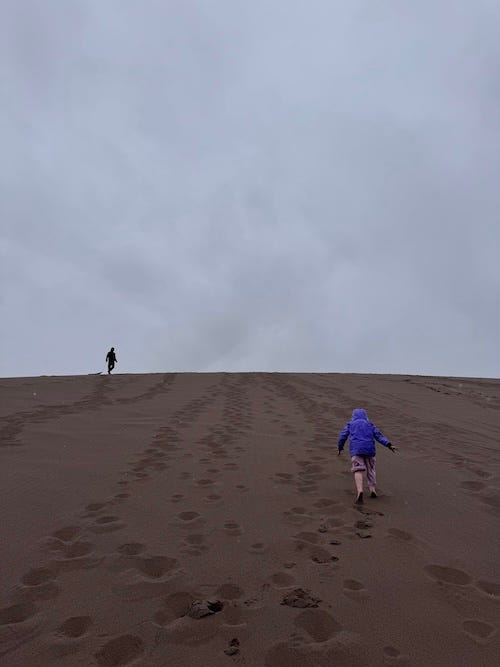
The Great Sand Dunes are always epic, even in the rain. In addition to Beezus and Ramona, we spent a lot of our road trip listening to Sparkle Stories, in particular the Mrs. Castlechanter’s Magic Cabinet series. The story is lovely, gentle, and soothing, but still suspenseful and engaging. It does lean a bit too hard into the life lessons on occasion, but it mostly blends seamlessly into the plot. This subscription is $15 a month which feels like a lot unless you’re listening constantly, but if you’re going on a roadtrip with a young kid this summer, it’s definitely worth doing the free trial to break up the screen time.

For questions, comments, or suggestions, please don’t hesitate to reach out by emailing fictionmattersbooks@gmail.com or responding directly to this newsletter. I love hearing from you!
This email may contain affiliate links. If you make a purchase through the links above, I may earn a small commission at no additional cost to you.
If you enjoyed today’s newsletter, please forward it to a book-loving friend. That’s a great way to spread bookish cheer and support the newsletter!
Happy reading!