

Reading in Public 102: My growing frustration with secret-driven novels
I’ve been listening to Ann Patchett’s new novel Whistler over the last few days, and I am really enjoying it. But I’ve had the odd experience of realizing that I’m liking it as much for what it isn’t as for what it is. In my recent reading over the last several years I’ve noticed a growing trend of books where hidden secrets (and the narrative teasing of such secrets) are used to built momentum and keep readers turning pages. I’m halfway through and there are many times when Whistler could have veered into this territory, but so far this is not a novel driven by secrets.
Whistler begins when the protagonist and narrator Daphne randomly encounters the man who was briefly her stepfather after decades of not seeing or speaking to each other. The story unfolds from there, mostly in the present as Daphne and Eddie Triplett reestablish their close-knit relationship but with forays into the past so we can understand what they meant to each other before. There is a point early in the book where Daphne thinks about how she blamed herself for her mother’s divorce from Eddie when she was a child because of the accident and has continued to carry this guilt for decades. As soon as I reached this moment I felt myself getting annoyed. How long, I wondered, was Patchett going to drag out this looming accident and make us wait to uncover what really happened to Daphne and Eddie all those years ago? But she didn’t! She’s done this multiple times at this point in the novel by suggesting something in the past wasn’t exactly how Daphne remembers it but then resolving that question fairly quickly. The narrative drive of the book comes from how Daphne and Eddie’s will develop in the present rather than uncovering the hidden secrets of the past. Having Patchett, a masterful storyteller, defy my expectations in this regard made me realize how increasingly frustrated I have become with the secret-driven novel.

This isn’t the first time I’ve noticed my annoyance with this type of storytelling. I had recently texted with about this very thing and we talked about how this style and reminds me of the TV show This Is Us. Remember how long it took them to reveal how the dad died?! And how they teased viewers with the truth in basically every episode and “scenes from next week”? And then how even when they revealed the broad strokes there were even more secrets they started teasing us with?! I feel like the same thing is happening in many works of contemporary fiction and it took reading a book that could have gone there and didn’t for me to realize just how prevalent it really is.
I’m not sure where this type of storytelling began but it’s difficult for me to think of any classics that teased this kind of teasing and subsequent revelation. Of course there are classics with fantastic twists and well-plotted foreshadowing leading up to those twists (Jane Eyre and its descendant Rebecca come to mind immediately), but these feel different from what I’m noticing in contemporary works. They’re working in the Gothic tradition which pedals in long-buried secrets but they aren’t stringing the reader along by hinting at what might have happened in the past. Something like The Great Gatsby in which we don’t learn the fullness of Gatsby and Daisy’s past until three-quarters of the way through the book feels closer to what I see in contemporary lit, but that’s still not an apt comparison. Nick, our narrator, is authentically in the dark about their past so he’s not teasing so much as sharing in our uncertainty. All of these classics, while different, are effective in their reveals because of their limited narrative perspectives and because the focus is still on what will happen in the novel’s present rather than solely on uncovering the past.
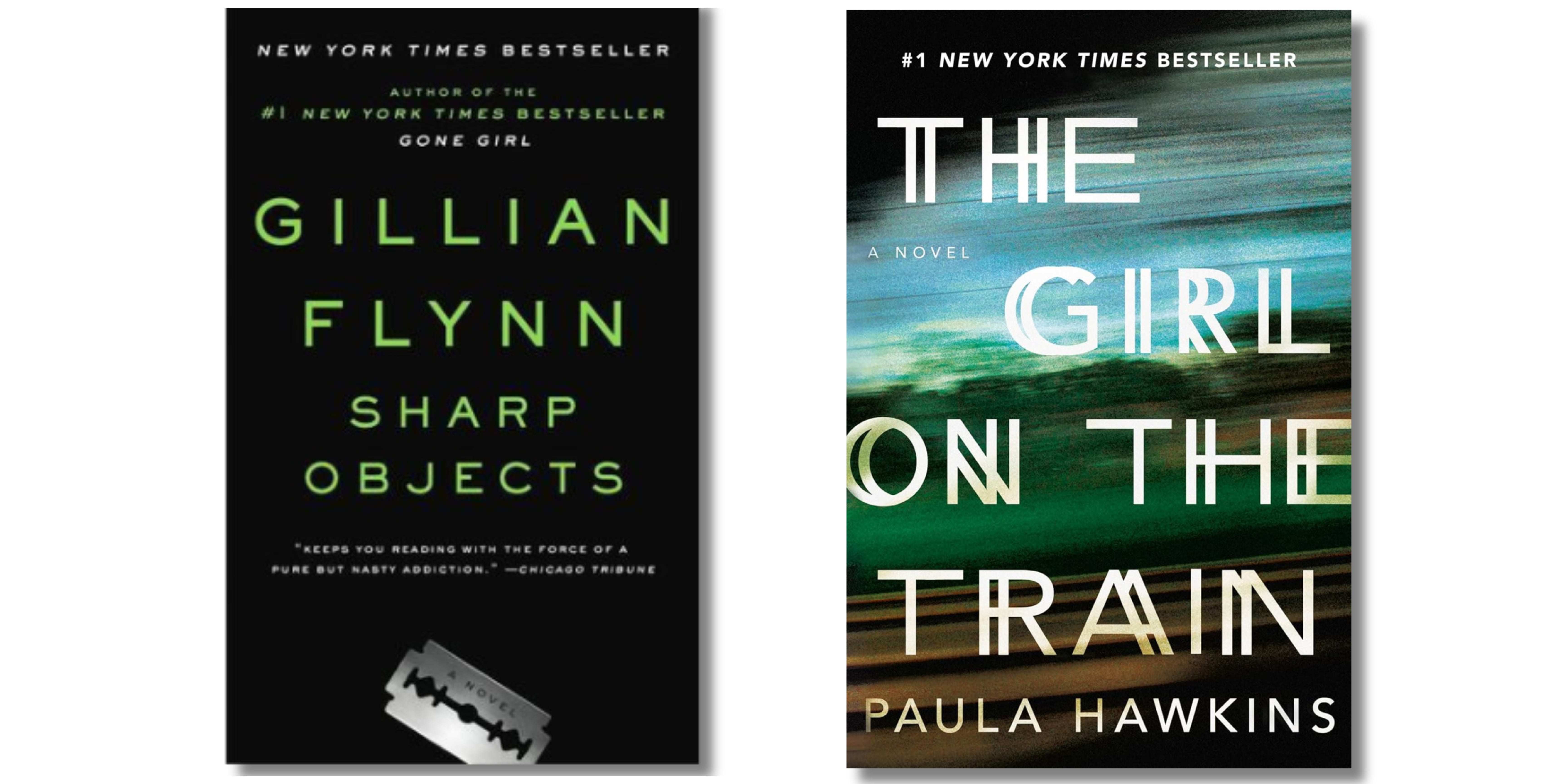
The first contemporary book that comes to my mind as a “tease the reader with a secret” type of reading experience is Sharp Objects by Gillian Flynn. Predating Gone Girl, this thriller is centered on Camille, a reporter who must return to her small (and creepy) home town to cover a string of murders of young girls. While she’s home, her own troubled past bubbles to the surface and Flynn gradually reveals secrets both past and present. Of course, mysteries and thrillers have always been about uncovering secrets and Flynn is the queen of making readers feel invested in multiple timelines at once. The tension she builds extends in both temporal directions and it’s no surprise that her books are massive commercial and critical successes. The teasing of secrets makes sense to me in this genre and style and although there are certainly thriller authors who abuse the secret teasing and narrative unreliability, readers know that this is the type of tension they will get when reading this genre and it doesn’t feel manipulative when done well.
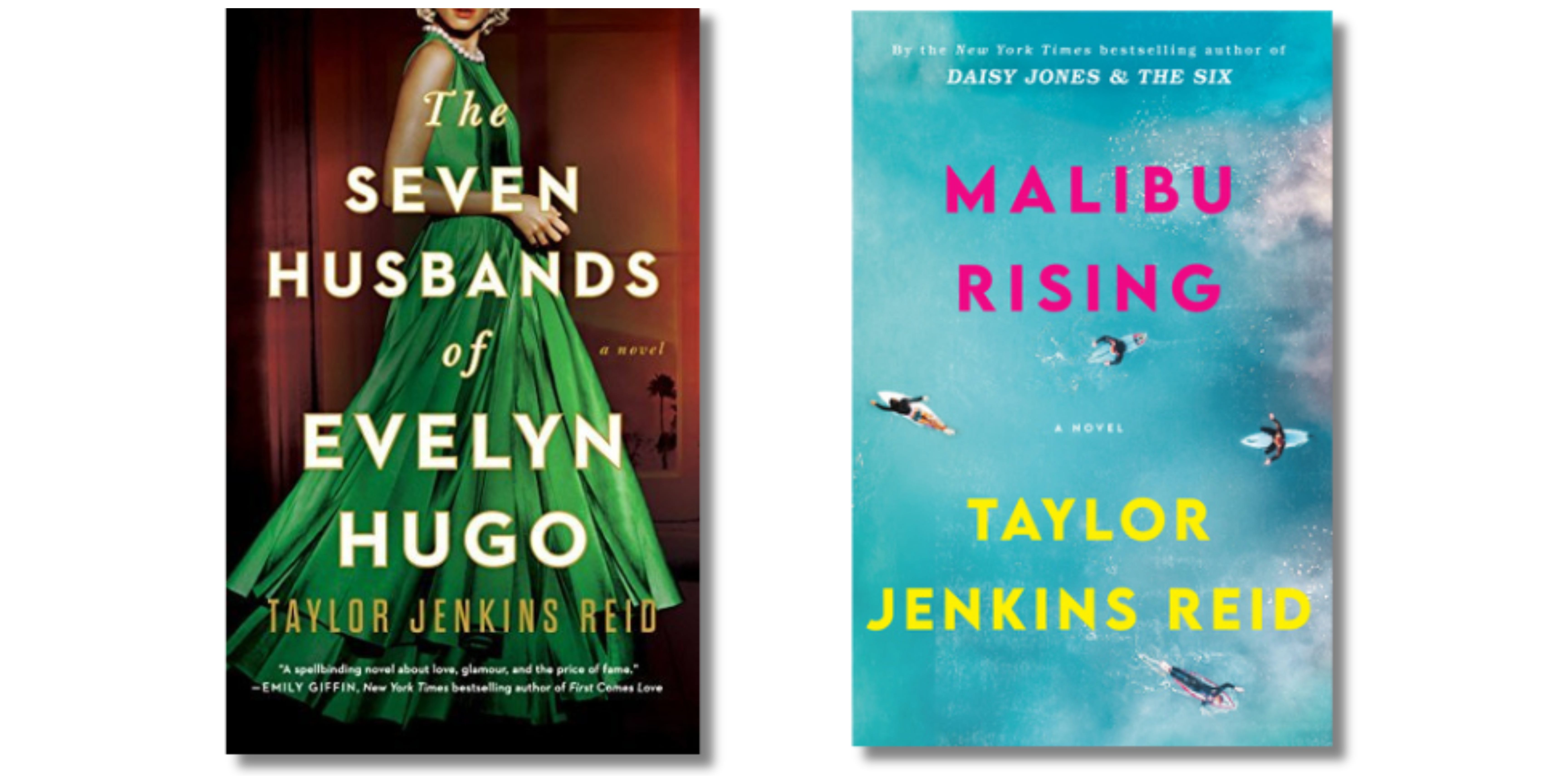
So when did this thriller-esque style of tension-building cross the line into other styles of fiction. I’m sure I’m missing something earlier in the history of publishing, but the book I think of as the potential source of this trend is The Seven Husbands of Evelyn Hugo by Taylor Jenkins Reid. Now this is a book I absolutely devoured and had a great time reading, but this story was heavily reliant on the tease-a-secret method to keep readers turning pages. There was really nothing happening in the novel’s present for readers to care about—discovering the past was the point of the book and all of the book’s narrative tension resides in the characters’ pasts. Reid has become an expert at this method, often using multiple timelines to draw out a reveal, and it’s seriously effective in terms of crafting a page turner. I wonder if the tremendous success of TJR’s books have led to more authors using this style and more publishers seeking them out and what other books have been forerunners of this trend.
Personally, I think it’s tedious to regularly find myself reading to find out what happened rather than to find out what will happen. In so many of these books, the tension lies primarily, if not exclusively, in uncovering what has already come to pass and there’s something so dull and lifeless in this type of storytelling. And it’s simply annoying to have a writer dangle a reveal in front of readers every few chapters.
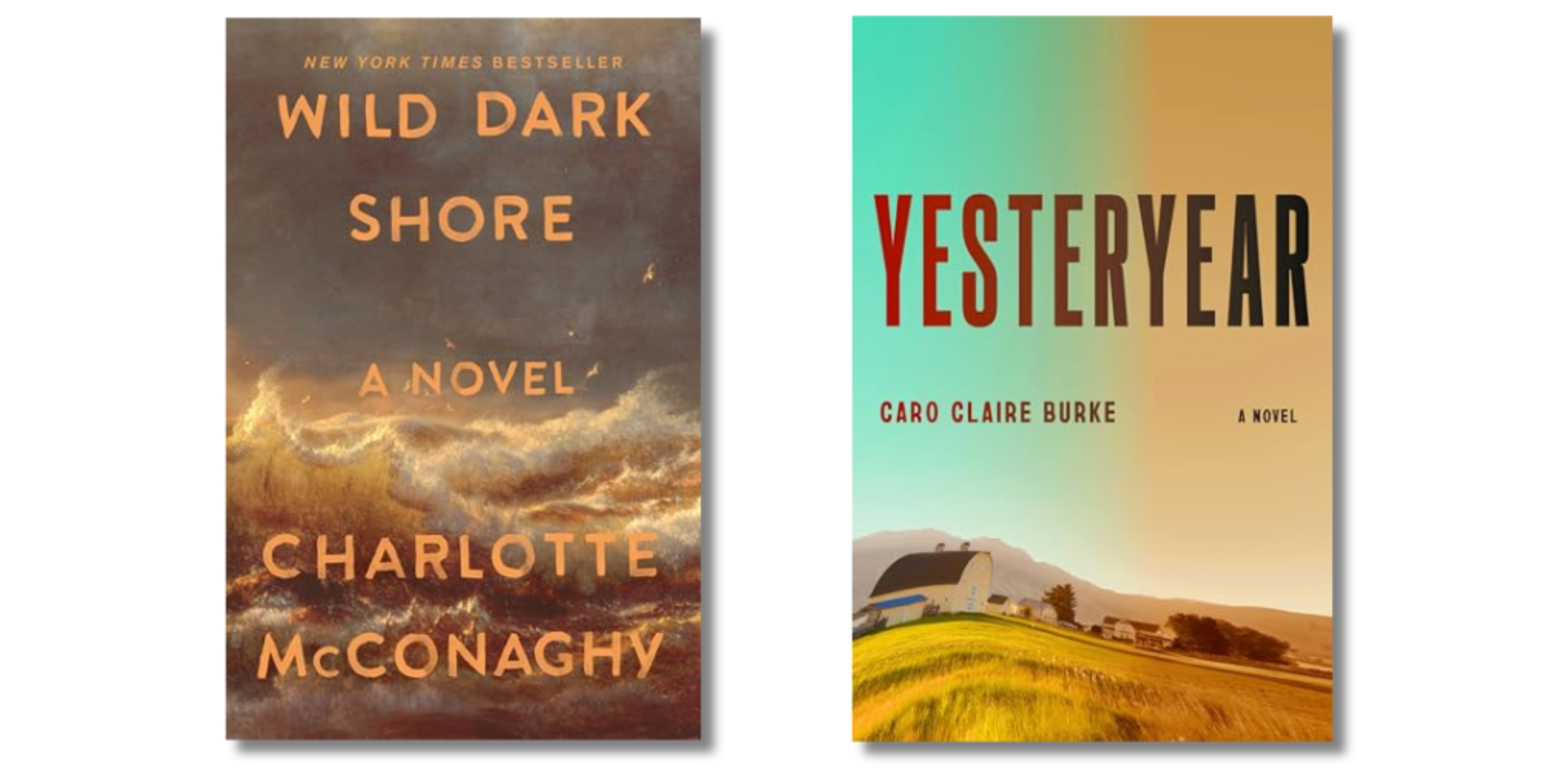
But perhaps I am alone in this—many many popular releases rely on the promise of a delivered secret to keep readers turning pages. Last year’s wildly popular Wild Dark Shore drove me crazy for it’s use of this device in a first-person present narrative. I will die on the hill that it makes zero sense for a first-person present point-of-view to be keeping and teasing the reader with secrets! Although it makes more sense that the narrator is keeping things from us in Yesteryear, this is another extremely popular novel that’s entirely about discovering what has already happened and it even extends this device into multiple timelines with multiple secrets and plenty of teasing to accompany them all. I know there are many readers who love a twist and I’m certainly not above a well executed reveal, but I don’t like exclusively turning the pages of a book for this reason. To me, novels should be more about the story that is unfolding, not a slowly drawn out prequel of their characters’ lives.

As I was thinking this through, I of course thought of many exceptions to my own newly articulated rules. Now these outliers might really be about personal taste or quality of execution or beauty of the prose, but I have tried my best to articulate the handful of ways the secret-driven novel can work:
It makes sense with narrator’s positionality and voice. Shannon Sanders’s wonderful new family saga The Great Wherever (out yesterday!) does a lot of secret-teasing, but I didn’t mind it at all. While I think this book could easily fit into most of the exception categories I came up with, it largely worked so well because of the narrative voice. The ghost narrator is all-knowing and gossipy which makes it feel like she herself as the narrator is intentionally stringing us along to get the story right. While I wanted the information earlier than I had it, it really worked to establish the tone and style of the entire book. In Sanders’s hands, this technique feels fun and winking rather than manipulative.
There is a big reveal without the tease. I’m not going to name names because sometimes even saying there’s a twist changes people’s reading experiences and can be akin to a spoiler, but I love books that end with a huge reveal without the author teasing a big secret along the way. Often these books are expertly done so you can turn back to the first page and see breadcrumbs along the way, but you are not actively being told that information is being withheld from you.
The novel is driven by a thematic exploration of memory and the past. One of my favorite books of all time, The Sense of an Ending by Julian Barnes, could potentially be categorized as a secret-driven novel. While I don’t remember the narrative actually teasing the reader with absent information, there’s a feeling through much of the book that something is just outside of the reader’s reach. And it is a book that makes you want to begin again on page one as soon as you finish. Books like this work for me when it feels like the secret keeping is in service of a thematic question rather than to keep the reader turning pages. The entire point of The Sense of an Ending is to question the veracity of human memory so it makes thematic as well as narrative sense to keep some secrets from the reader. Of course, someone could make the argument that the books I’ve mentioned hating for this device are also using said device thematically, but for me this is a case when the book needs to be expertly done to pull this off.
The book uses an inventive structure that makes sense for other reasons and balances the past with the present. Ok this one is squidgy, I know, but it’s the only way I can even attempt to articulate this particular gray area. The book that probably showcases this best is This Must Be the Place by Maggie O’Farrell, an exquisite family novel that is full of secrets and certainly frustrates readers with the withholding of information. The story is told non-chronologically through multiple perspectives and the reader pieces together the family’s past and present in what feels like a perfectly orchestrated symphony of story. As we read more, our opinions of characters evolve, becoming ever more complicated. Anne Tyler also writes the sorts of woven family novels in books like French Braid and A Spool of Blue Thread. For whatever reason, the structure of these work for me even though they are largely driven by secrets. The best reason I can come up with is that the books are at least as interested in the characters’ present as their pasts and the revelations are more about nuanced character development than bombshell revelations.
Every rule has it’s exceptions, and I will always enjoy a novel with a meticulously executed revelation. One of my favorite types of reading experiences is a book that makes me want to start over again as soon as I’ve finished. But if a secret is driving the novel, if the writer is manipulating me to turn the pages with the promise of a reveal, I’m out. Writers, please trust me to not bail once I have that information. Trust me to be interested in the story that’s unfolding—I don’t need the lure of a secret to carry me along.

Tell me your thoughts!
Do you love of loathe being teased with a twist?
Have you noticed this trend in your own reading?
What books and writers come to mind when you think of secret-driven novels?
Where, how, and when do you think this type of storytelling originated? What book(s) started it all?
For questions, comments, or suggestions, please don’t hesitate to reach out by emailing fictionmattersbooks@gmail.com or responding directly to this newsletter. I love hearing from you!
This email may contain affiliate links. If you make a purchase through the links above, I may earn a small commission at no additional cost to you.
If you enjoyed today’s newsletter, please forward it to a book-loving friend. That’s a great way to spread bookish cheer and support the newsletter!
Happy reading!