
5 essential works of literary criticism
Dear reader,
When you’re an English Major, you obviously read a lot of novels. You also read a lot of literary criticism, or books about novels.
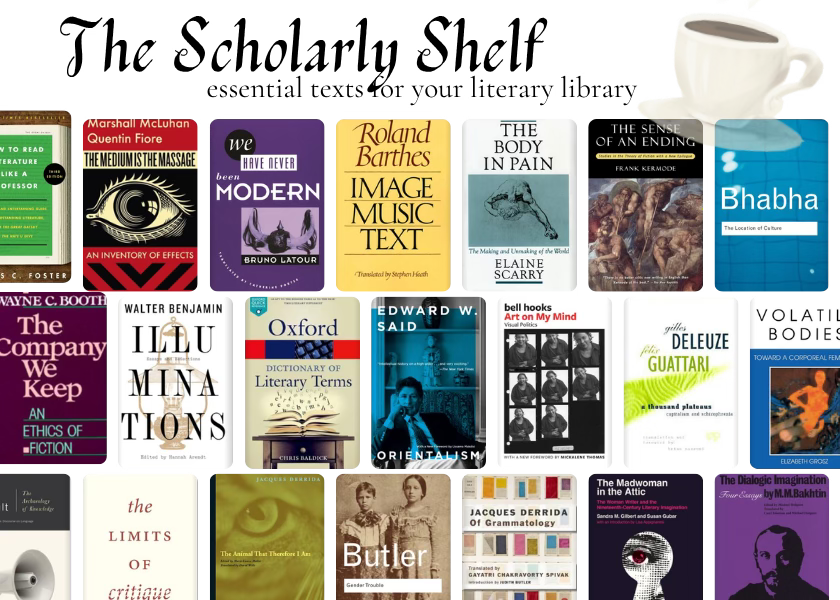
Today, I’m sharing a collection of what I consider to be “essentials” in the world of literary criticism.
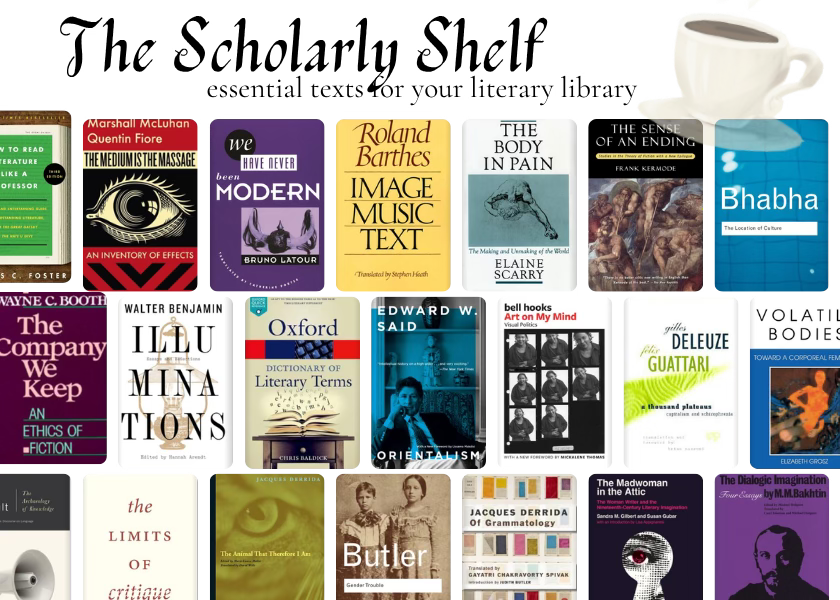
These are the kinds of books I kept seeing on my professors’ shelves, throughout every degree I pursued. Some taught me how to read closely. Others completely changed the questions I asked about literature. And a select few became imprinted on my heart and mind the exact same way my favorite novels are. These became so much more than beloved reading experience for me. They are works that changed how I live and move throughout the world, and that inspire me to think deeply and read closely as a way of life.
This week, I’ve been curating a list of essential literary criticism every English major should read. Whether you’re building a home library with a dedicated scholarly shelf, heading back to school this fall, or simply curious about the books that have shaped generations of readers...there’s something here for you.
Here are a few of my favorites
The Body in Pain — Elaine Scarry explores the relationship between physical suffering, language, and imagination. Pain is often a wordless experience, beyond language. So how do we put pain into language? Fans of Virginia Woolf will find this one especially compelling.
Discipline and Punish — Why, when we sit in a classroom, do we know how to act? When we enter the airport, why do we know not to cause a scene? If you love Pink Floyd’s The Wall, I have a really good feeling that you’re going to love learning about how Foucault interprets the power of Jeremy Bentham’s Panopticon.
The Animal That Therefore I Am — Derrida’s foundational work on deconstruction teaches you to take a closer look at the language you experience every day. You’ll find a few Derrida works on my list; the lesser-known lecture featured here changed me forever when I read it in private study with my undergrad mentor. I’ll never forget drinking a white mocha at the Borders bookstore and struggling through every sentence with you as my guide, Christa! ☕️
Ain’t I a Woman — bell hooks makes feminism feel more applicable and understandable by bridging it with her lived experiences, and she’s a brilliant “intersectional” feminist, which means she doesn’t just look at gender but also at race and class to understand society and marginalization. I’ve got a lot of her titles in my personal library. She was a wonderful human being and we’re lucky to have her words.
The Company We Keep — Wayne Booth makes a strong case for thinking about reading as a relationship. His particular brand of criticism works differently than so many, in a tone and voice that brings unexpected warmth and sincerity to the act of critical response.