
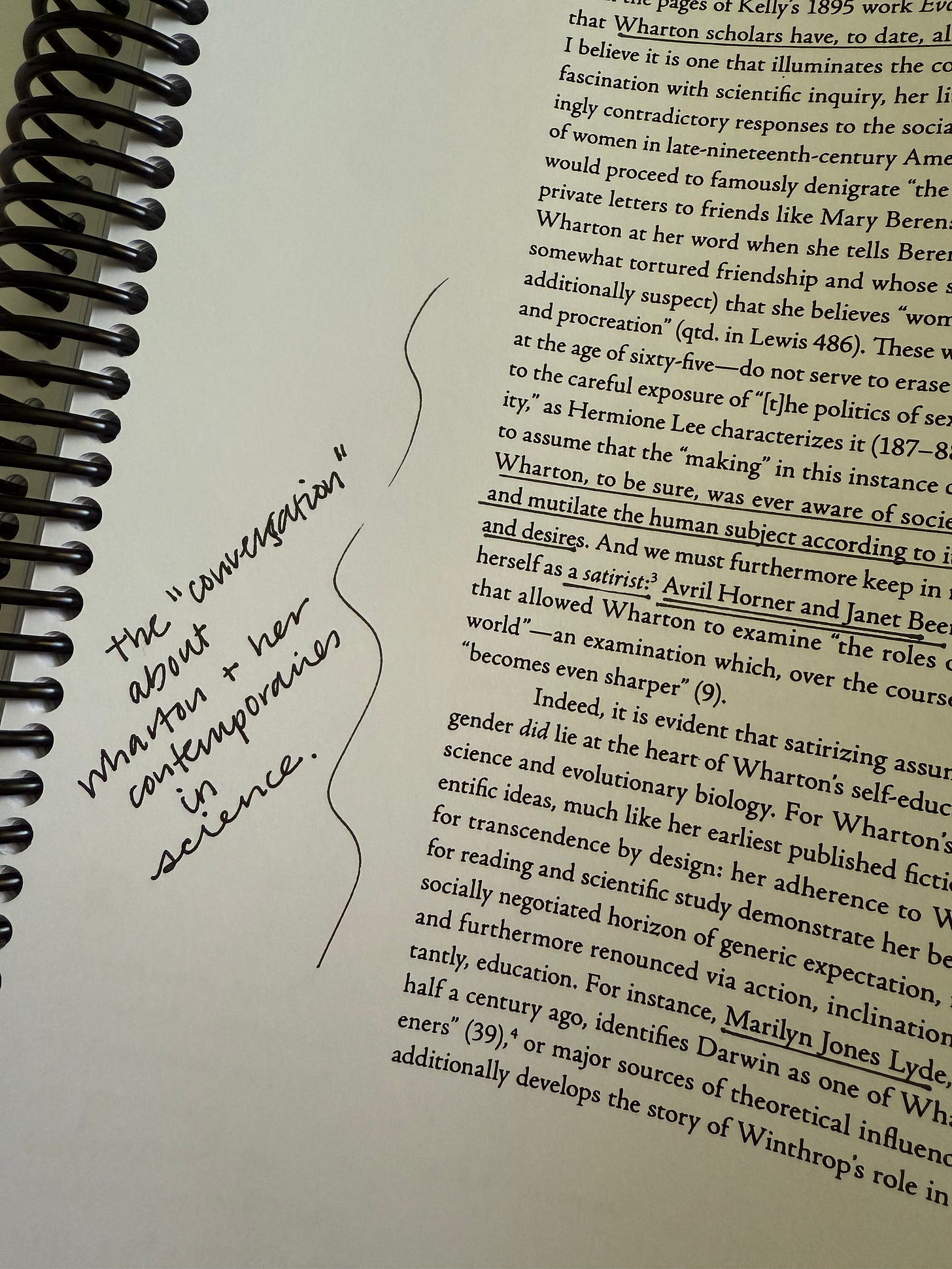
📚 learn how to reverse outline
📝 Take it apart so you can put it back together
Welcome back to our series on reading academic articles.
Today, I’m walking you through the steps to deconstruct an academic article through an exercise called “reverse outlining.”
This exercise can help you in myriad ways:
Reveal the structure underlying an academic argument or analysis
Understand how patterns build in argument-driven writing
Refresh your own critical writing skills by focusing on fundamental moves
Inspire your own writing with a new method for performing critique
Let’s dive in!
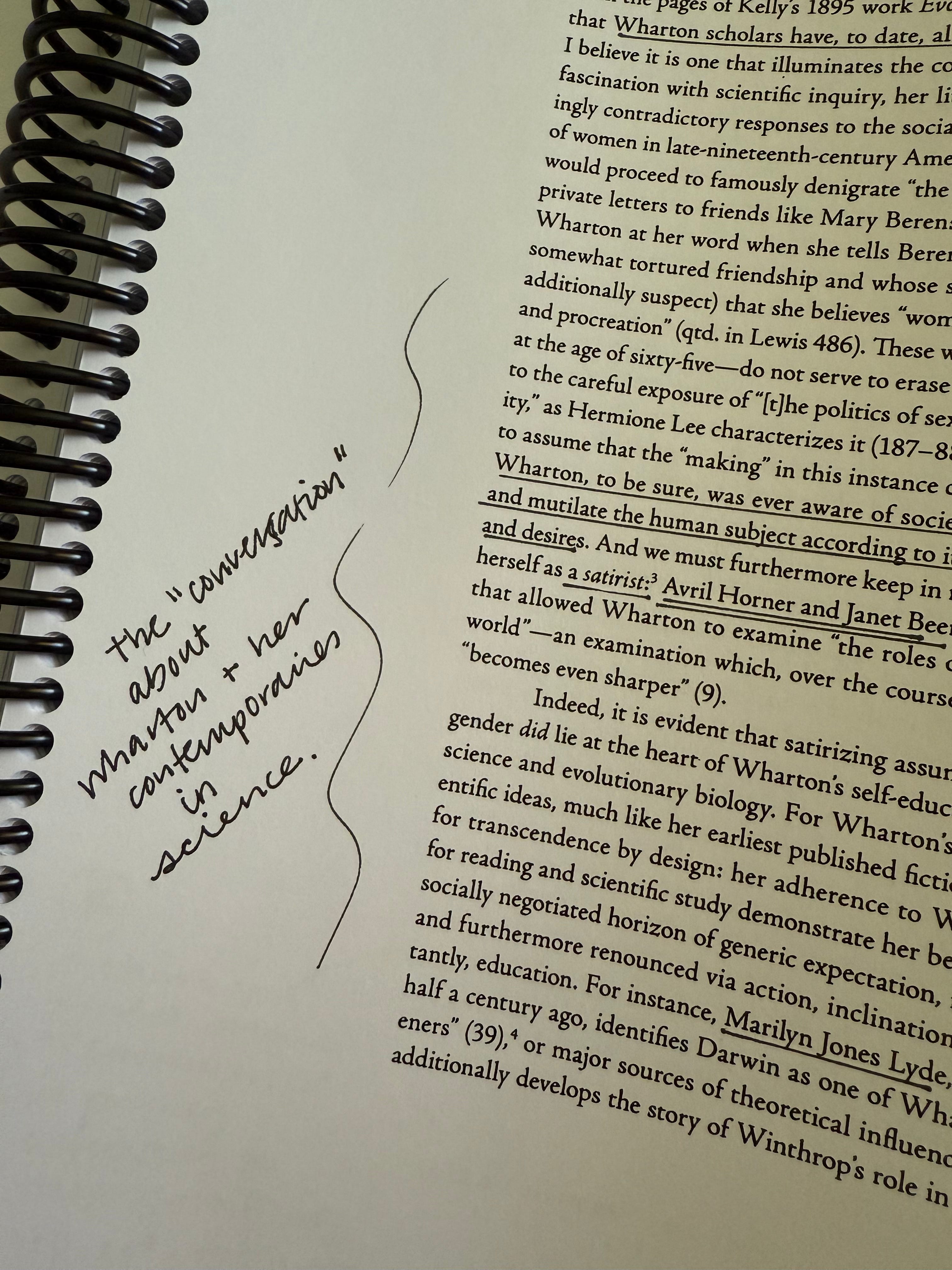
Why reverse outline?
A reverse outline is essentially a map you build after you’ve read a piece of literary criticism, designed to pull you out of the depths of analysis and into the structure that underlies the essay’s logic.
It helps you see not just what the author says, but how they structure their thinking.
One of my favorite thinkers, Michel Foucault, often uses archeological metaphors and language to describe the excavationary work of understanding hidden structures; that’s essentially what you’re doing when you reverse outline. You’re deconstructing something that exists so that you can better understand how it was put together.
And because we know that form + function can have a powerful exponential effect on each other, uncovering not just the “function” or the what of an essay, but the “form” of that essay, its shape and structure, can do a lot for the way you understand, remember, and even emulate what you learn in academic reading.
✏️ How to…
Start with an article you’ve read, or at least skimmed strategically, one time through. You want to have a basic familiarity with the article before reverse outlining.
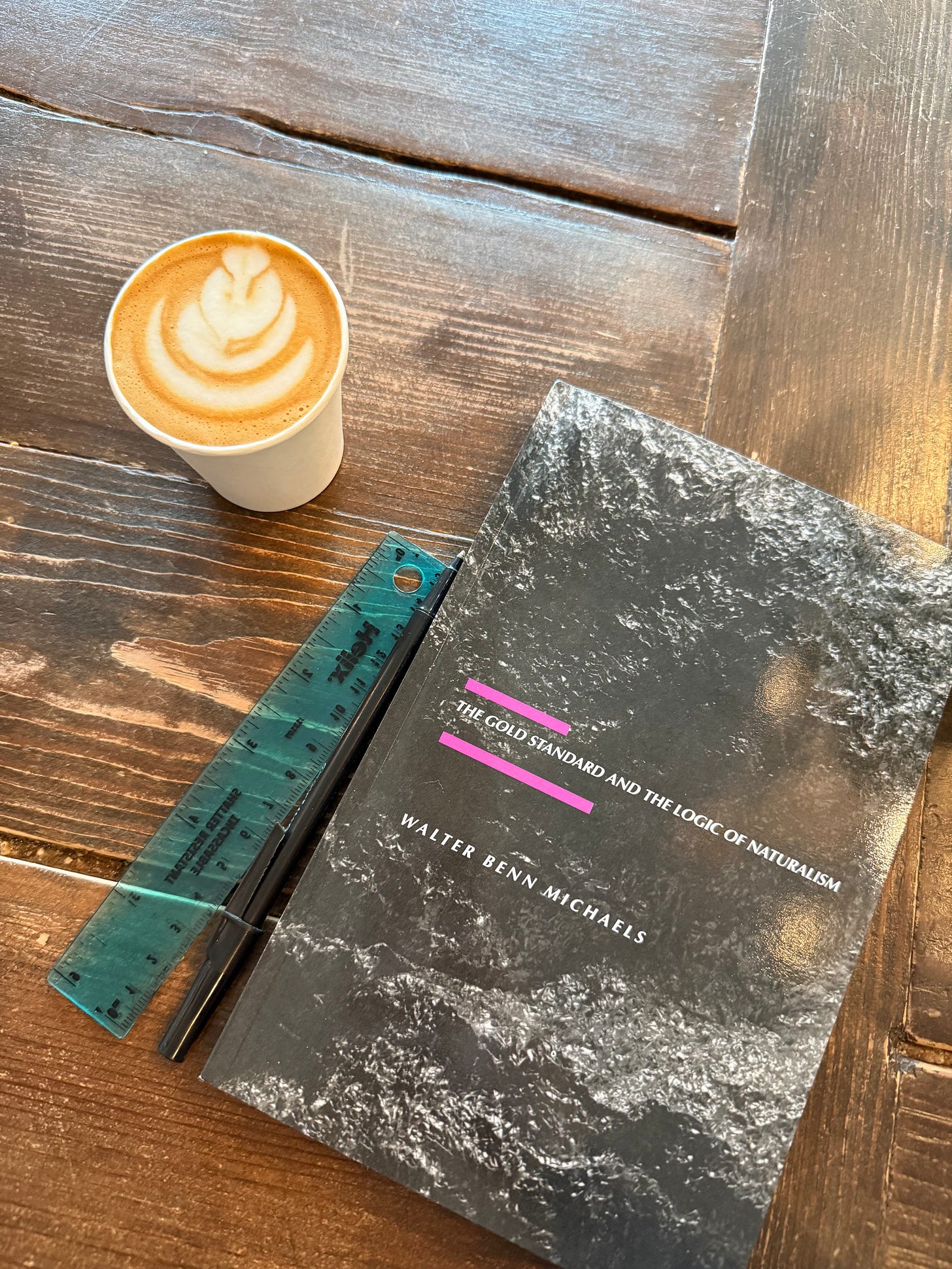
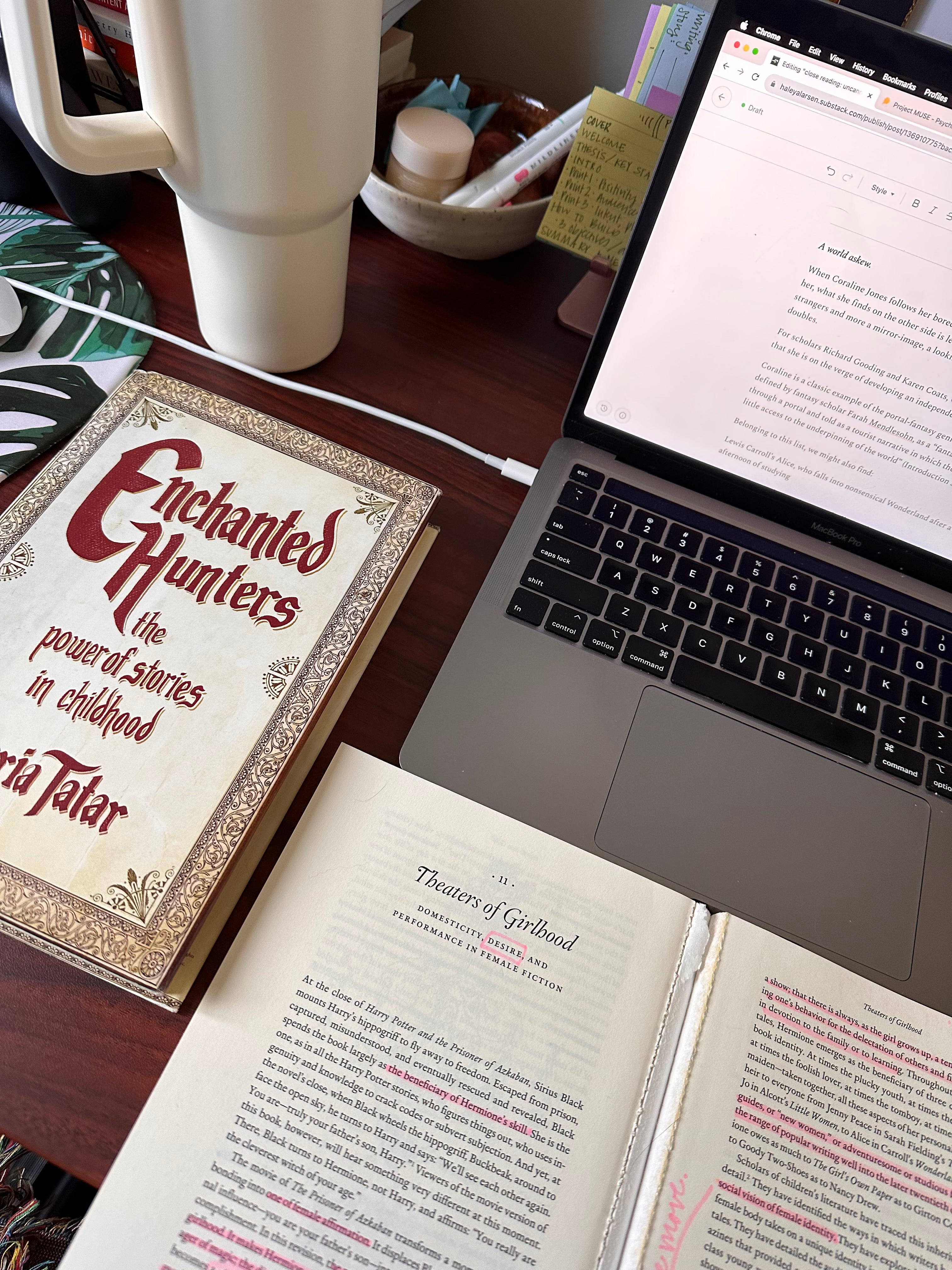
Treat each paragraph as an individual entity. Get your ruler and your pen, and move slowly through the article, creating a tidy bracket around every single paragraph of the essay.
Once every paragraph has a bracket around it, go through and put a number next to every paragraph. Don’t make the numbers too big; you’ll still want room to annotate in the margins.
(I always recommend numbering after the brackets are created, because I hate having to re-number everything if I make a mistake!)
Now, get a separate sheet of lined notebook paper. On that paper, write out a number for every paragraph in the essay. 1, 2, 3, etc. You’ll only need 1 or 2 lines per number, so don’t worry about spacing out too much. Ideally, you can fit your outline onto one page.
Read each paragraph, one at a time. Annotate as you read, but instead of looking at the ideas themselves, notice the structure or the “moves” the paragraph is making. Ask yourself questions like these:
Is this paragraph defining terms? Which ones?
Is this paragraph summarizing another critic?
Is this paragraph presenting evidence?
Is this paragraph making a claim?
Is this paragraph doing something other than the four items above? If so: what is it?
On your lined paper, write down what each paragraph does next to the number assigned to it. This is your reverse outline!
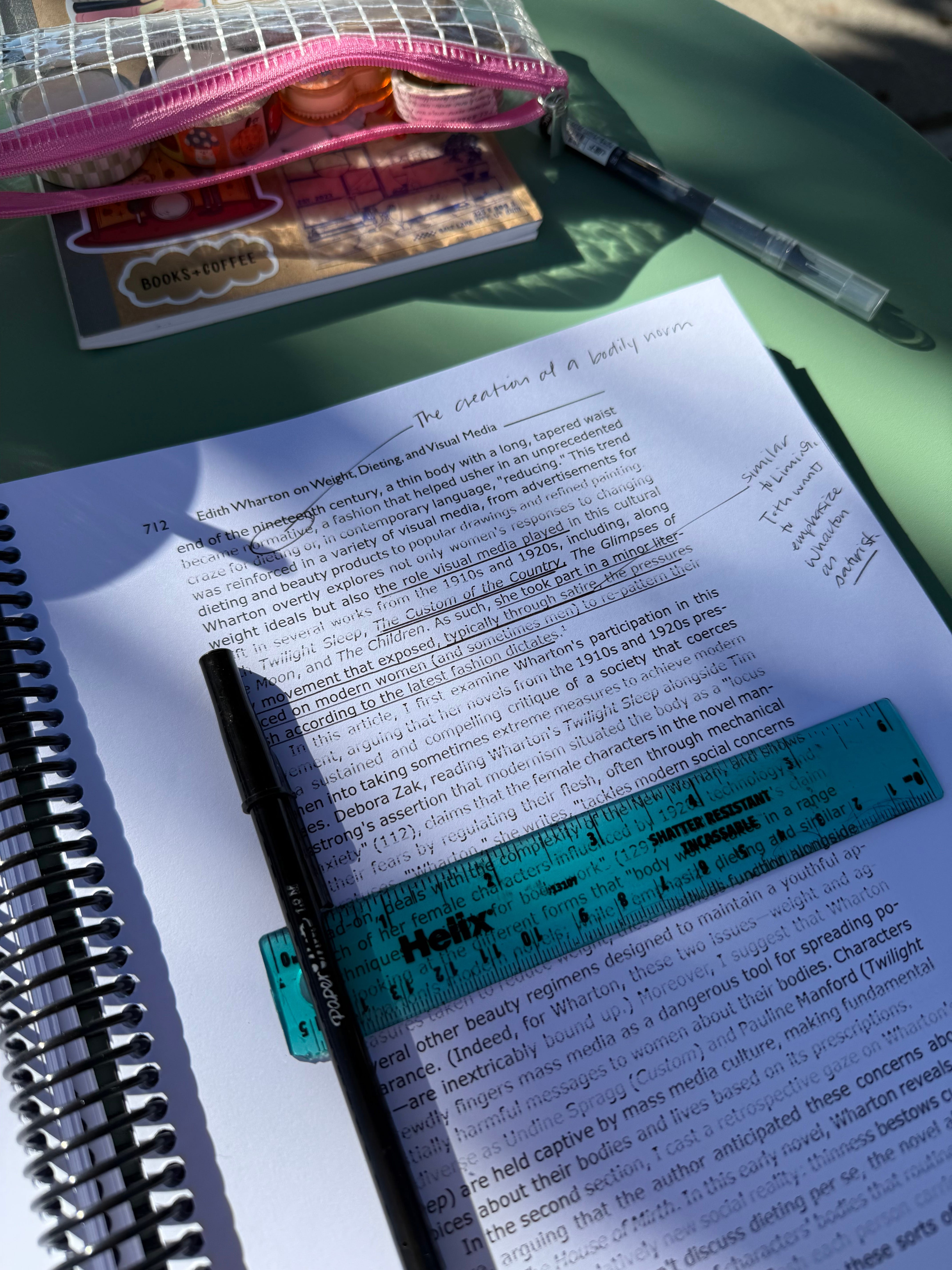
🔎 Your final step: reflect
Suddenly, you can see the architecture of the essay. You can see where ideas are introduced. How they develop. How much space they take up in the argument. Where one idea turns into the next.
You can see, in other words, the building blocks of analytical and academic thinking. So ask yourself, as you reflect:
What kinds of moves does this essay make most often?
Where does the argument shift from summary into argument, or from background into new thesis?
How does the structure help the argument? In what ways is the structure appropriate for the given claims or evidence the writer chooses?
If you were writing this piece, would you structure it the same way? Why or why not?
Ideas are like building blocks
Reverse outlining teaches you that even the most complex article is made of ordinary moves: defining, summarizing, arguing, illustrating, concluding.
Once you learn to recognize these moves, you stop feeling intimidated — and start feeling capable of joining the conversation by following those moves yourself, in your own ways.
📚 Build your scholar’s shelf
Want to keep exploring literary criticism? I’ve curated a new Bookshop.org shop page where you can find all my recommendations and literary critic classics.
Explore my academic reading recommendations →
☕️ Become a paid subscriber for the price of a new book (or two)
Plus, you’ll get access to a full archive of literary advice, best practices for literature study, and all the chapter guides from all of our book club picks.
📚 $25/year: The classic close reader
✨ $50/year : The sustaining member